5 Critical Questions to Ask Your Colored Speckles Supplier Before You Buy
Price is always a factor when sourcing colored speckles for soaps, bath salts, or home care products. However, procurement professionals know that the cheapest quote can sometimes lead to the most expensive production disasters.
Imagine receiving a shipment only to find that the speckles melt during the pouring process, or that they bleed into your clear base, turning your product into a blurry mess. Issues like clogged nozzles or uneven distribution can halt your production line entirely, costing far more than the raw material itself.
To help you navigate these challenges, we have compiled the five critical technical questions you should ask any potential colored speckles supplier. Asking these questions will help you identify reliable partners, ensure regulatory compliance, and guarantee smooth production.
Question 1: What is the maximum heat resistance of your speckles?
Why Ask
Different manufacturing processes involve different temperatures. If you produce transparent melt-and-pour soap, you typically heat the base to 70°C–80°C before pouring. If the colored speckles lack sufficient heat resistance, they will melt or deform before the soap sets. Instead of distinct, decorative dots, your final product will feature blurred, unattractive color streaks.

Follow-up Questions
Can you provide images of the speckles after being held at XX°C for 30 minutes?
Is this heat resistance instantaneous, or does it guarantee long-term thermal stability during storage?
Question 2: Can you provide a Particle Size Distribution (PSD) analysis report?
Why Ask
Colored speckles naturally vary in size. However, if the size range is too wide (for example, ranging from 0.1mm to 2mm), you risk “segregation.” During transport, vibration can cause smaller particles to settle at the bottom of the bag and larger ones to rise to the top. This leads to inconsistent product quality across different batches. For manufacturers using automated filling equipment, oversized particles can also clog nozzles, causing costly downtime.

Follow-up Questions
Are your speckles graded by sieving, or are they naturally granulated?
Can you guarantee that over 90% of the particles fall within our specified mesh range?
Question 3: Will the speckles dissolve or bleed in glycerin/surfactant systems?
Why Ask
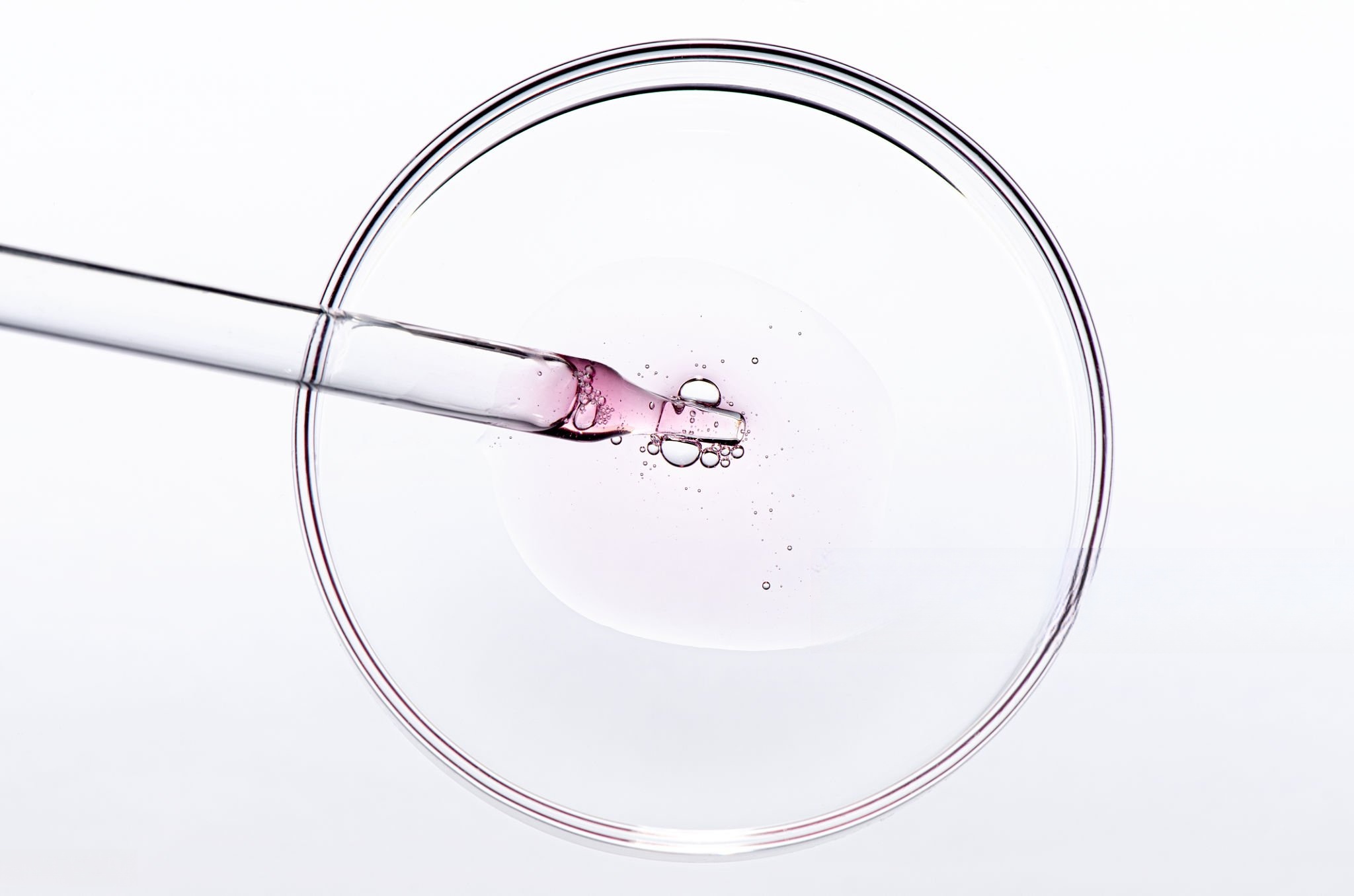
Not all colored speckles are created equal. Some are merely compressed dyes that dissolve quickly when they encounter water, glycerin, or surfactants. This causes “trailing” or “bleeding,” where the color leaches out into the base product. If you are formulating clear shower gels or transparent soap bases, you need speckles that remain solid and intact for the product’s entire shelf life.
Follow-up Questions
Can you provide comparison photos of the speckles immersed in a standard surfactant formula for 48 hours?
Are the speckles surface-colored only, or are they colored throughout? How fast is the bleeding rate under accelerated stability testing?
Question 4: Do you have up-to-date SDS, TDS, and Allergen Statements?
Why Ask
Compliance is non-negotiable, especially for products exported to strict markets like the EU or the US. Customs officials and multinational brands will rigorously audit your raw material safety. A valid Safety Data Sheet (SDS) and Technical Data Sheet (TDS) are the first proof points of a supplier’s professionalism and production qualifications. Furthermore, if you market products for sensitive skin, an allergen statement is crucial to avoid liability issues.

Follow-up Questions
Are your products tested against the latest REACH or FDA substance restriction lists?
Do your speckles contain nut derivatives, gluten, or other common allergens?
Question 5: What is the MOQ? Is pre-production validation possible?
Why Ask
Knowing the Minimum Order Quantity (MOQ) helps you gauge a supplier’s flexibility. Some factories cater only to massive multinationals and are unwilling to support smaller or medium-sized brands. More importantly, you should inquire about “pre-production validation.” This process involves simulating your actual production run on a small scale to confirm that the speckles perform perfectly with your specific equipment, temperatures, and formula. This single step is the best way to avoid a six-figure loss on a failed batch.

Follow-up Questions
Can you adjust the hardness or color concentration of the speckles based on my specific formulation?
What is your policy on returns or replacements if compatibility issues arise during the pre-production testing phase?
Conclusion
A high-quality colored speckles supplier will never fear your technical questions. In fact, they will welcome them. Suppliers confident in their manufacturing process are happy to provide detailed data sheets, test reports, and customization options.

Next time you send out an inquiry, bring these five questions with you. You will quickly discover that while many vendors can offer a price, only the truly professional partners can offer the technical security your brand deserves.
Need detailed technical data sheets for the above questions? Feel free to contact our technical team directly for customized advice tailored to your specific application.